Launch Schedule
Upcoming launches from NASA, SpaceX, and global space agencies.

Falcon 9 Block 5 | Starlink Group 17-39
SpaceX • Go for Launch
7/20/2026, 2:00:00 PM
Space Launch Complex 4E — Vandenberg SFB, CA, USA
A batch of 24 satellites for the Starlink mega-constellation - SpaceX's project for space-based Internet communication system.
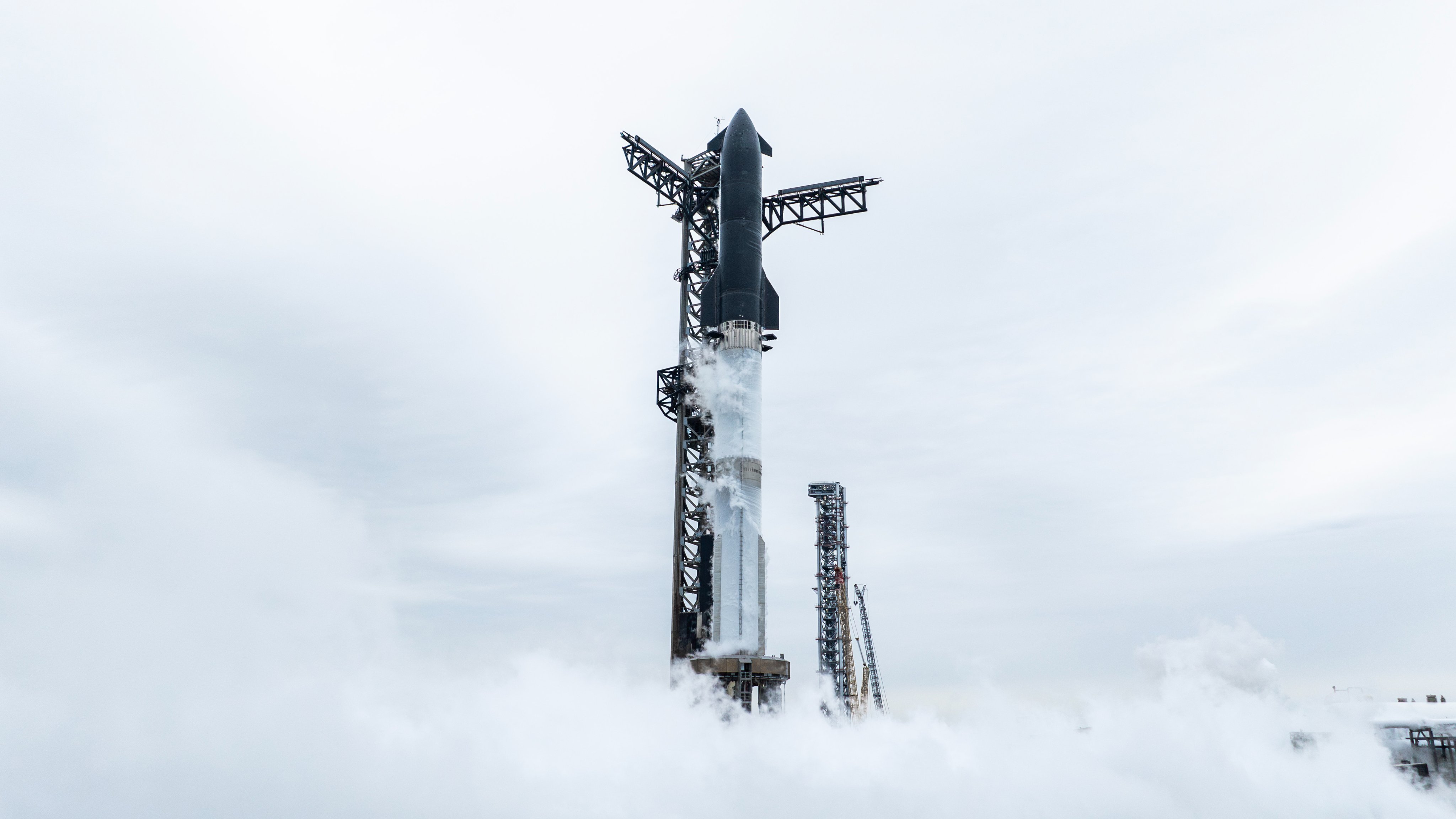
Starship | Flight 13
SpaceX • Go for Launch
7/20/2026, 10:45:00 PM
Orbital Launch Pad 2 — SpaceX Starbase, TX, USA
13th test flight of the two-stage Starship launch vehicle. Second flight of Starship V3. For the first time, Starship will carry 20 V3 Starlink satellites to space, which will extend solar arrays and antennas and will attempt to connect with ground stations in South Africa and the larger Starlink constellation via high-capacity lasers. 6 of the satellites have been modified with a suite of cameras to scan Starship’s heat shield and transmit imagery down to operators to continue testing methods of analyzing Starship’s heat shield readiness for return to launch site on future missions. Several tiles on Starship have been painted white to simulate missing tiles and serve as imaging targets in the test.
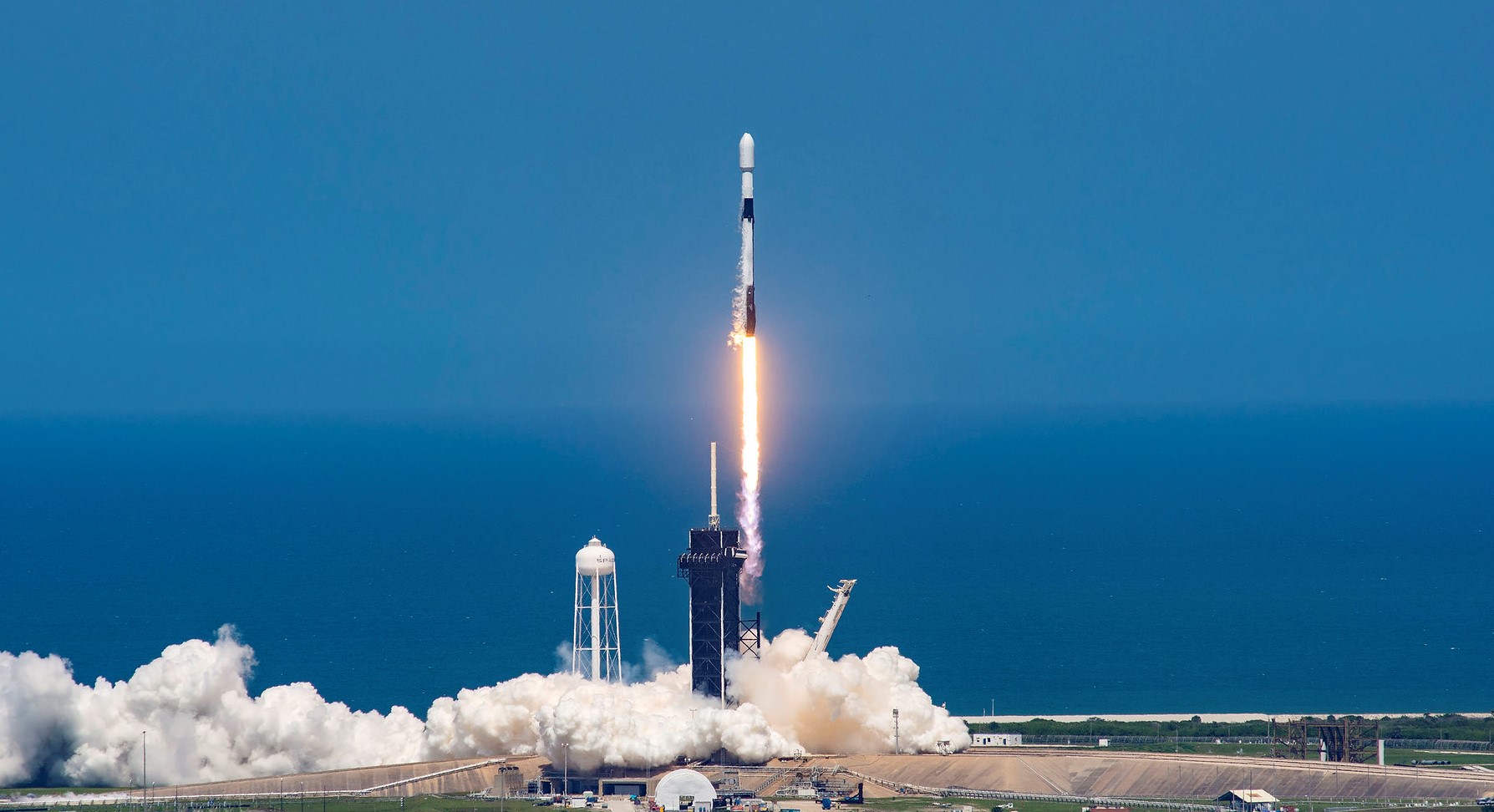
Falcon 9 Block 5 | MRV-1
SpaceX • Go for Launch
7/21/2026, 9:15:00 PM
Space Launch Complex 40 — Cape Canaveral SFS, FL, USA
The Northrop Grumman/SpaceLogistics MRV-1 is a mission extension payload including a mission robotic vehicle (MRV) and multiple mission extension pods (MEPs). The MRV is designed to attach up to 30 MEPs (Mission Extension Pods) to various satellites in GEO over the course of its life, and the MEPs (Mission Extension Pods) are 400 kg spacecraft designed to be captured by the MRV and then attached to a customer's satellite. A single MEP can extend a 2000 kg satellite's service life by up to 6 years. For this mission, 2 of the MEP's will service satellites for Intelsat, while the third will service a satellite for Optus.
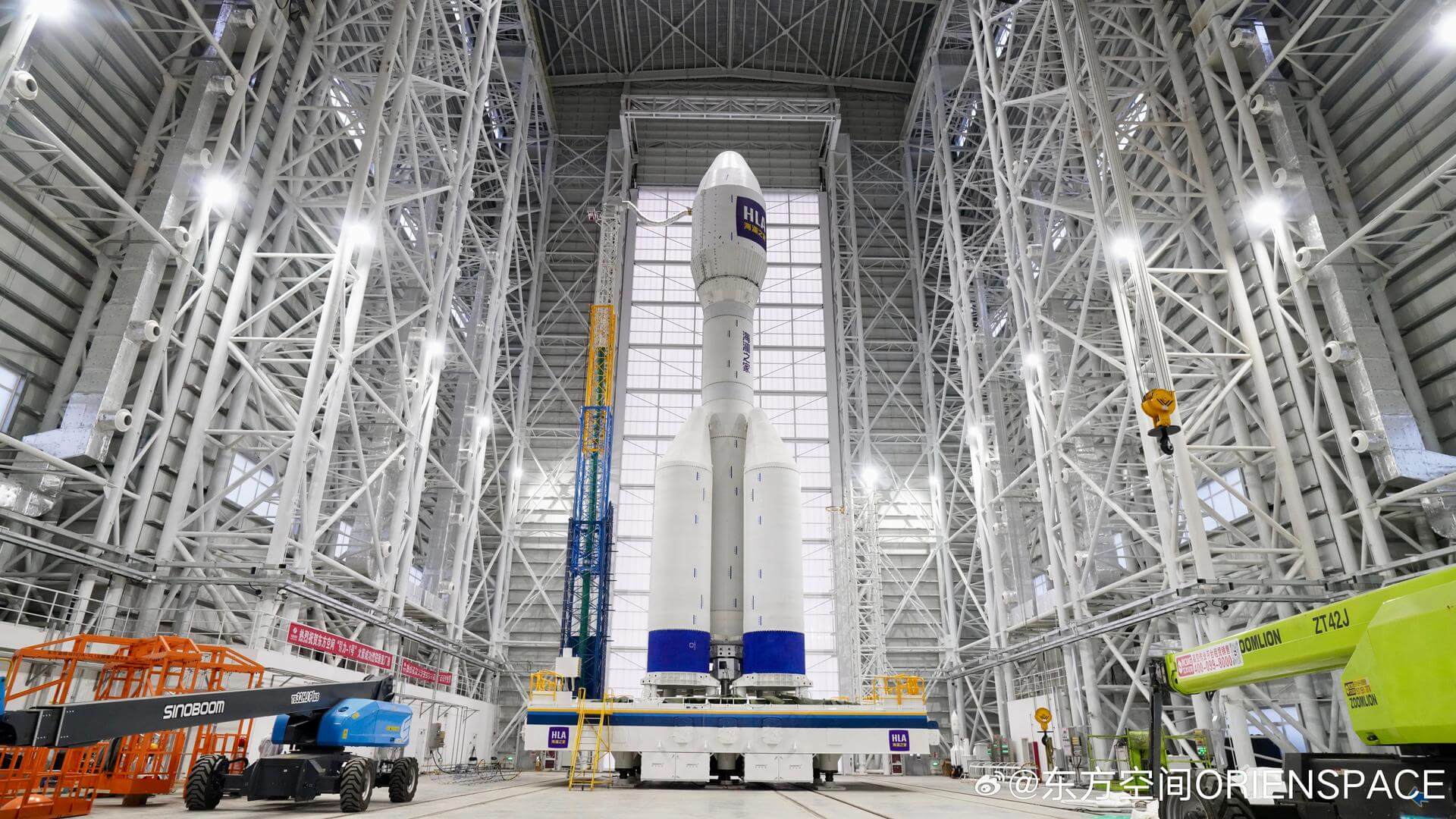
Gravity-1 | Unknown Payload
Orienspace Technology • Go for Launch
7/22/2026, 2:50:00 AM
Yellow Sea (launch location 5) — Haiyang Oriental Spaceport
Details TBD.
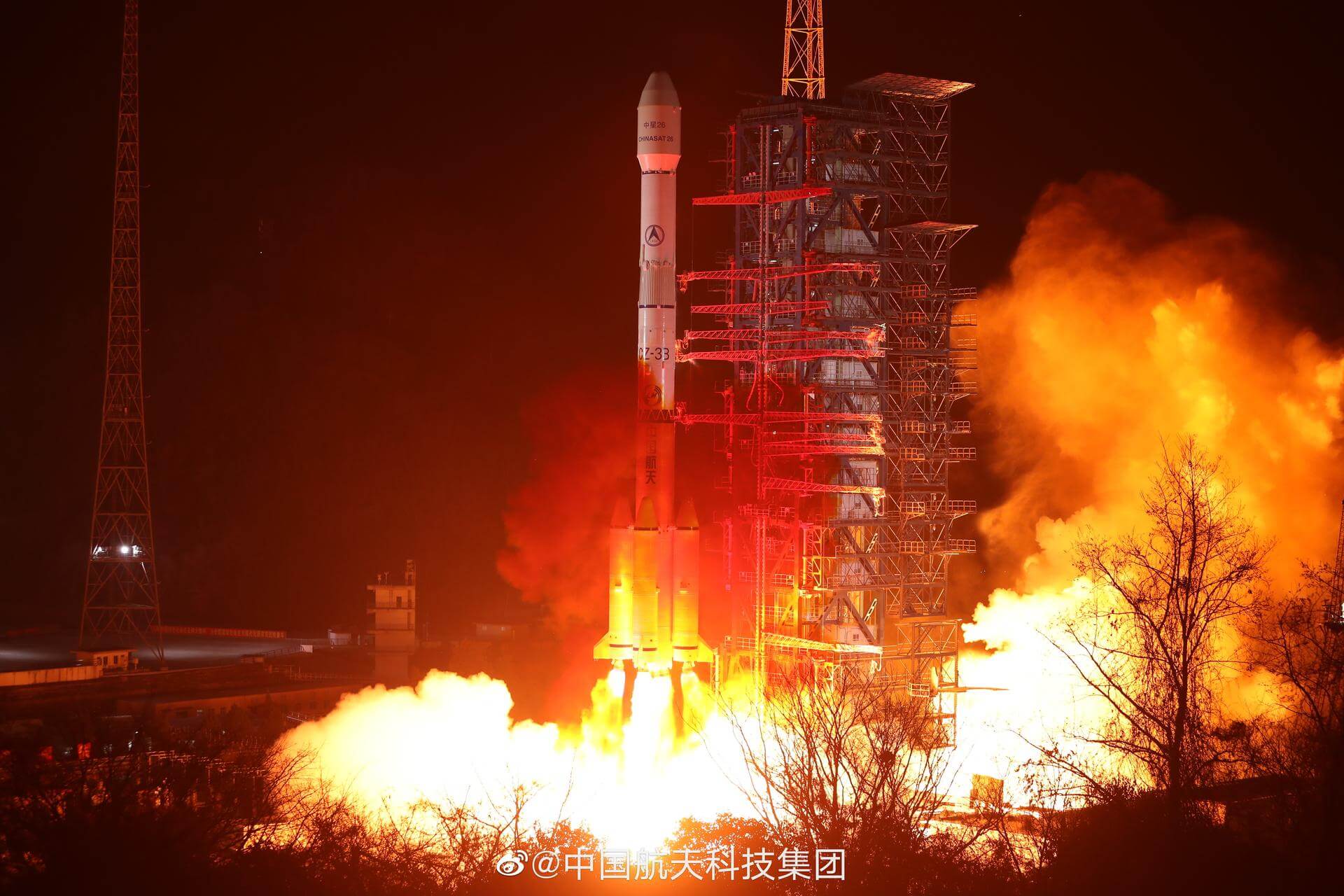
Long March 3B/E | Unknown Payload
China Aerospace Science and Technology Corporation • Go for Launch
7/23/2026, 12:00:00 PM
Launch Complex 2 (LC-2) — Xichang Satellite Launch Center, People's Republic of China
Details TBD.
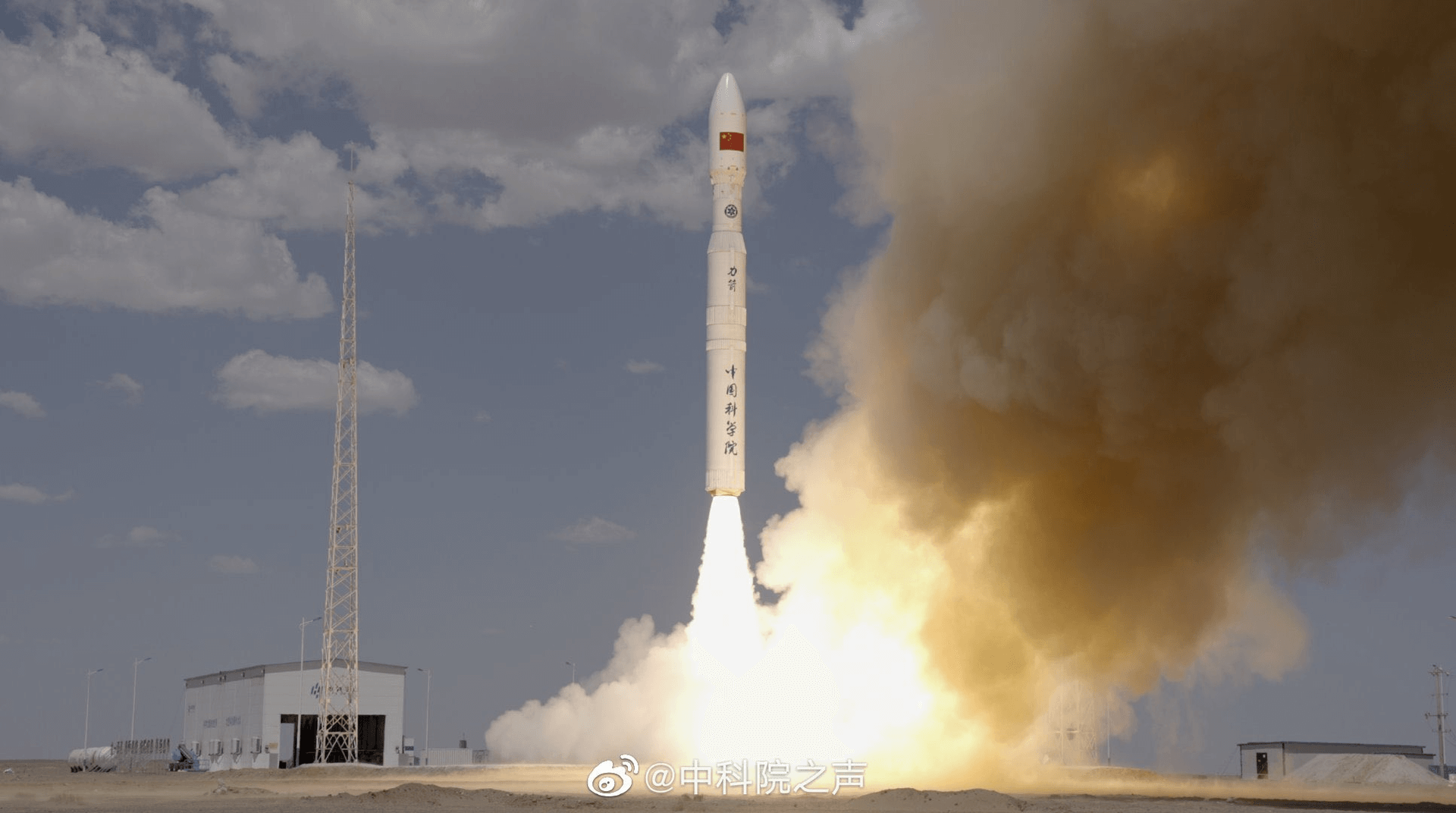
Kinetica 1 | Unknown Payload
CAS Space • Go for Launch
7/23/2026, 11:30:00 PM
Launch Area 130 — Jiuquan Satellite Launch Center, People's Republic of China
Details TBD.
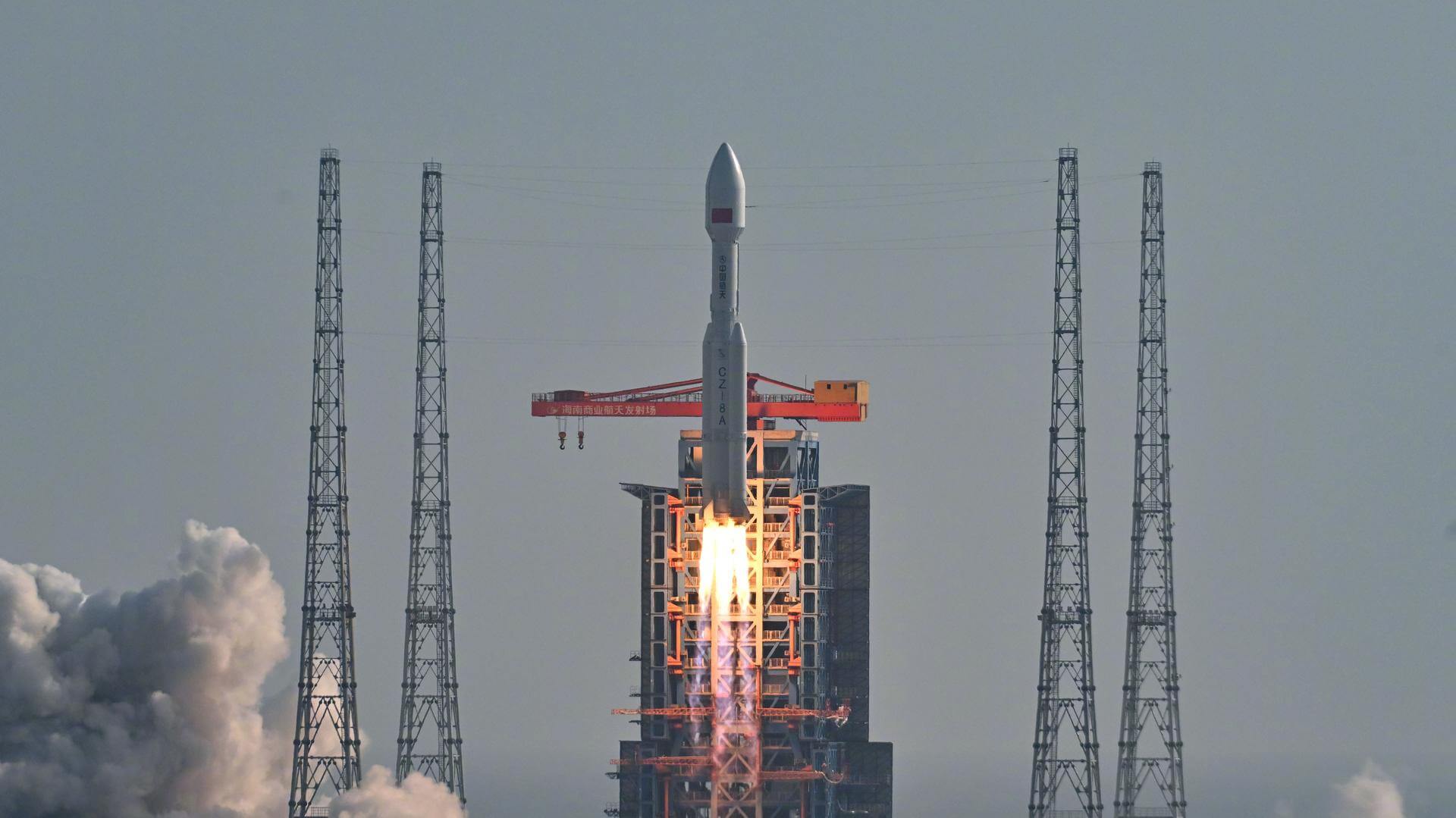
Long March 8A | Unknown Payload
China Aerospace Science and Technology Corporation • To Be Confirmed
7/24/2026, 11:00:00 AM
Commercial LC-1 — Wenchang Space Launch Site, People's Republic of China
Details TBD.
Falcon 9 Block 5 | Starlink Group 17-51
SpaceX • Go for Launch
7/24/2026, 2:00:00 PM
Space Launch Complex 4E — Vandenberg SFB, CA, USA
A batch of 24 satellites for the Starlink mega-constellation - SpaceX's project for space-based Internet communication system.
Falcon 9 Block 5 | Starlink Group 17-52
SpaceX • Go for Launch
7/28/2026, 2:00:00 AM
Space Launch Complex 4E — Vandenberg SFB, CA, USA
A batch of 24 satellites for the Starlink mega-constellation - SpaceX's project for space-based Internet communication system.
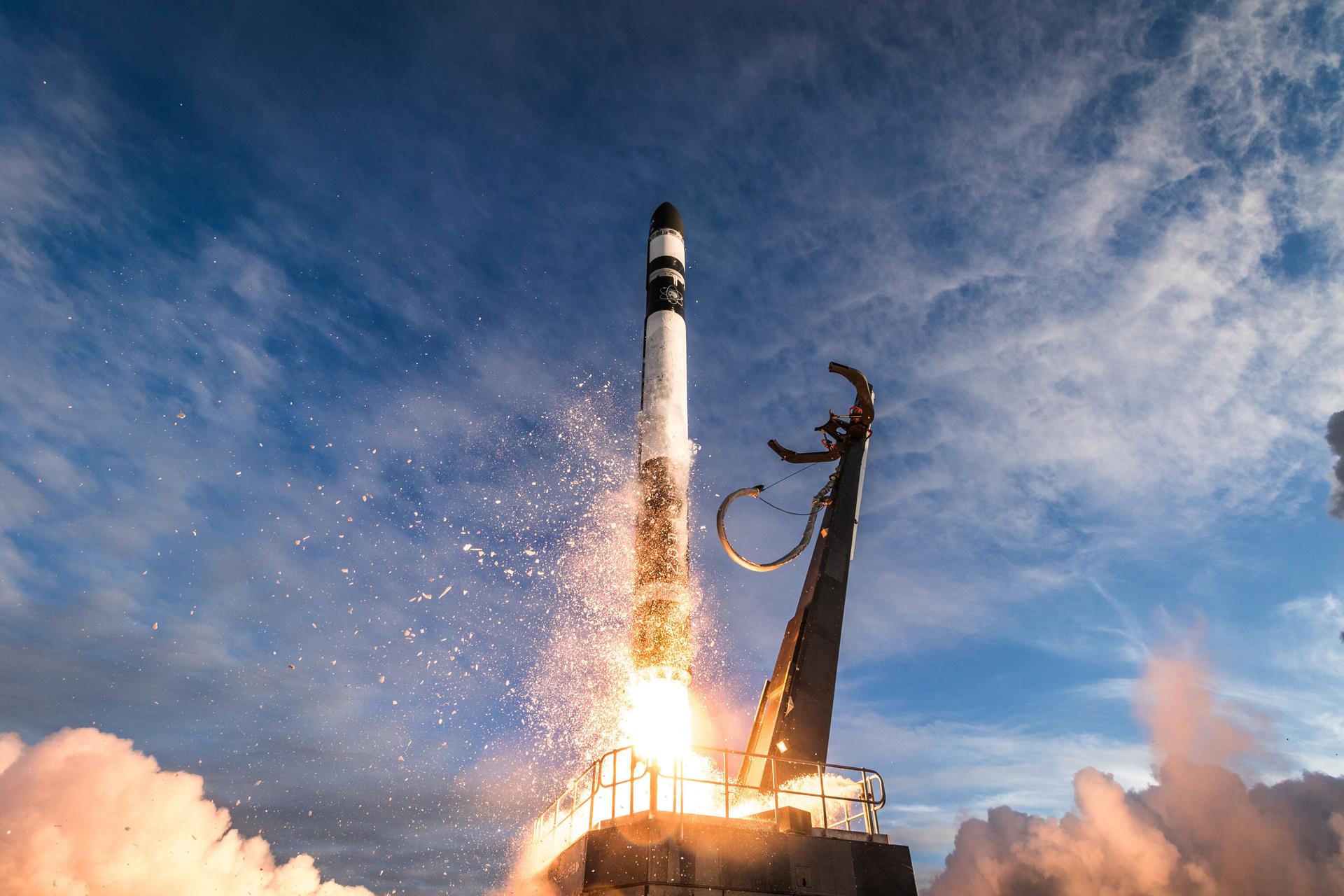
Electron | LOXSAT 1
Rocket Lab • To Be Determined
7/31/2026, 12:00:00 AM
Unknown Pad — Rocket Lab Launch Complex 1, Mahia Peninsula, New Zealand
LOXSAT 1 is a demonstration satellite of a complete cryogenic oxygen fluid management system in orbit, developed by Eta Space and sponsored by NASA's Tipping Point program. The system will be integrated on a Rocket Lab Photon-LEO satellite bus and collect critical cryogenic fluid management data in orbit for 9 months, demonstrating capabilities of in-space cryogenic storage and transferal. Eta Space plans to use technology developed for this mission to develop a truly commercial depot intended to serve multiple customers in the future.
Electron | StriX Launch 11
Rocket Lab • To Be Determined
7/31/2026, 12:00:00 AM
Unknown Pad — Rocket Lab Launch Complex 1, Mahia Peninsula, New Zealand
Synthetic aperture radar satellite for Japanese Earth imaging company Synspective.
Electron | The Grain Goddess Provides (iQPS Launch 7)
Rocket Lab • To Be Determined
7/31/2026, 12:00:00 AM
Rocket Lab Launch Complex 1A — Rocket Lab Launch Complex 1, Mahia Peninsula, New Zealand
Synthetic aperture radar Earth observation satellite for Japanese Earth imaging company iQPS.
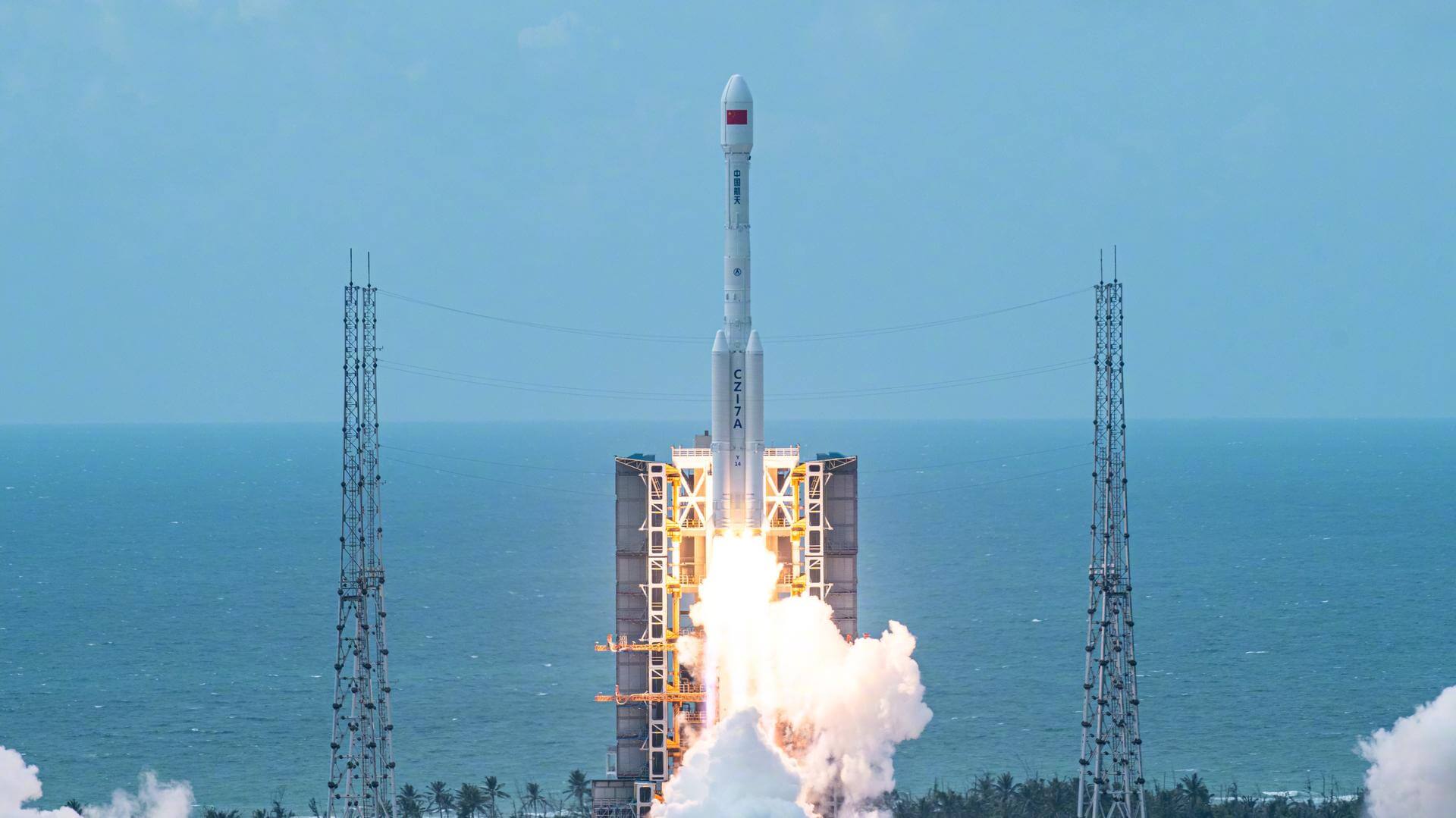
Long March 7A | Unknown Payload
China Aerospace Science and Technology Corporation • To Be Determined
7/31/2026, 12:00:00 AM
201 — Wenchang Space Launch Site, People's Republic of China
Details TBD.
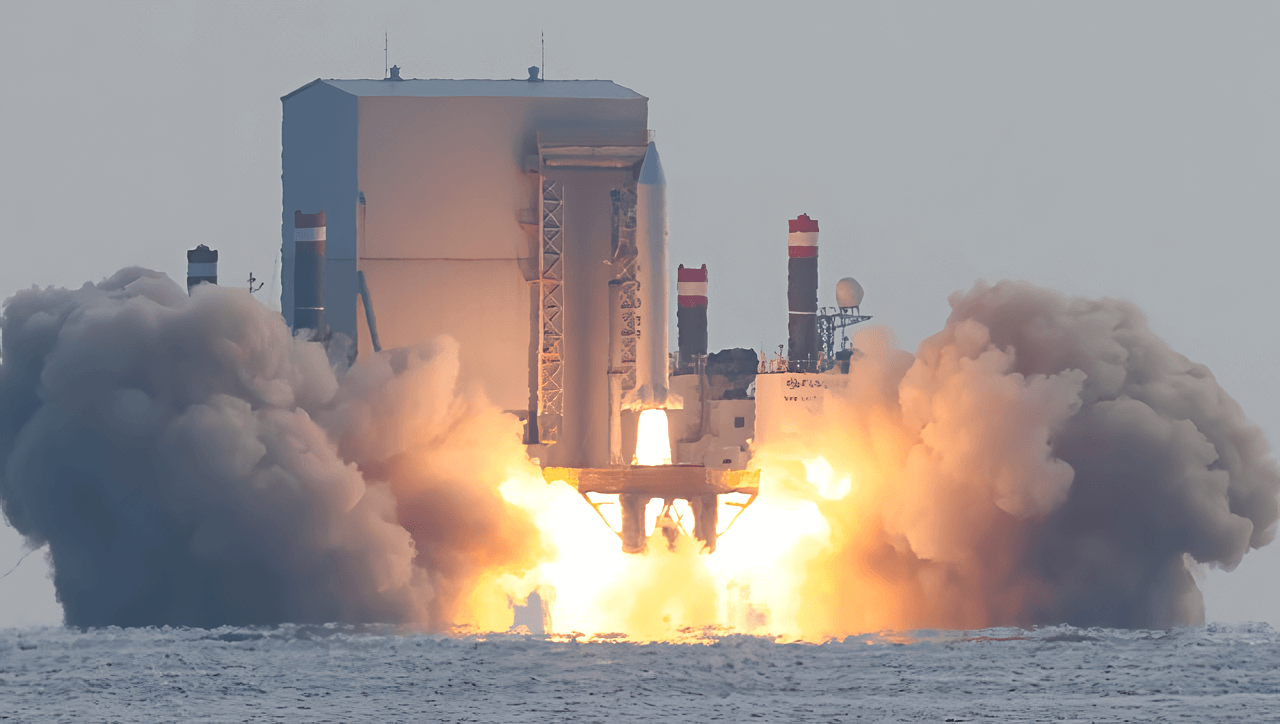
Mir | Demo Flight
Agency for Defense Development • To Be Determined
7/31/2026, 12:00:00 AM
ADD Offshore launch platform — Sea Launch
Note: Launch vehicle name is provisional. First orbital full version launch of the South Korean military small satellite launch vehicle, after 2 sub-orbital tests of individual stages on 30 March and 30 December 2022, and 1 orbital test flight without the 2nd stage on 4 December 2023. Details TBD.
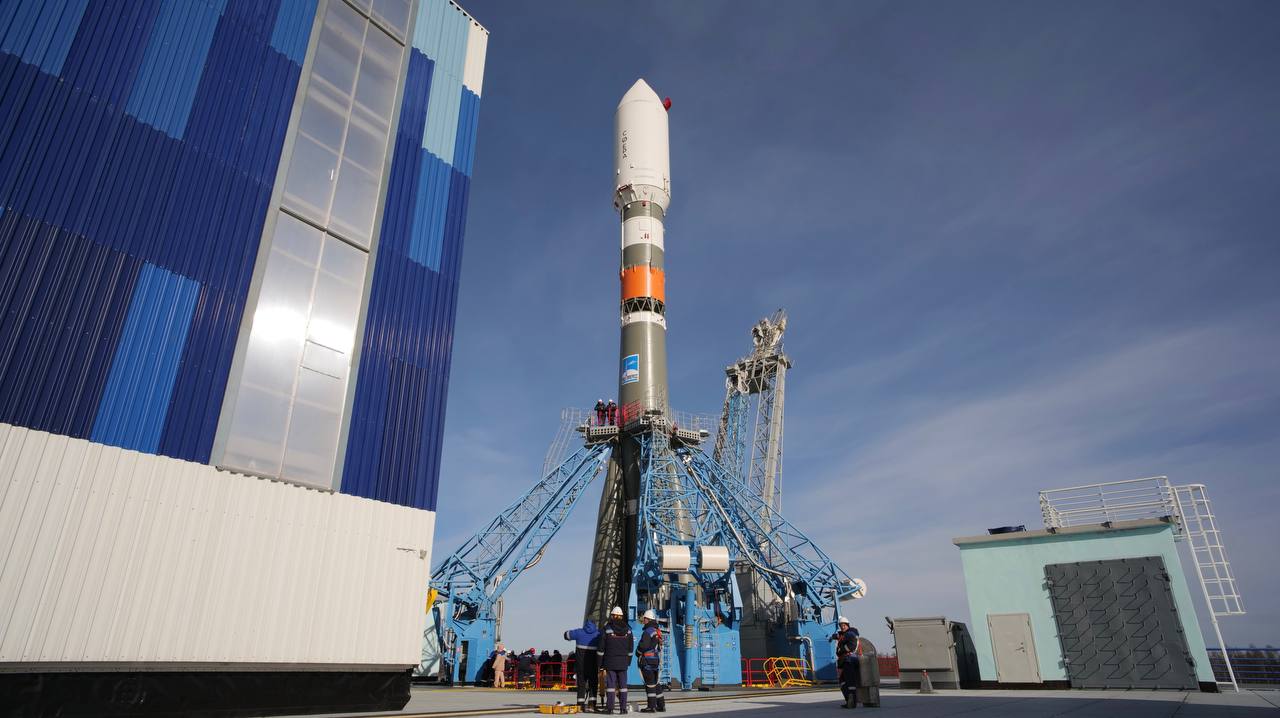
Soyuz 2.1b | 16 x Rassvet-3
Russian Federal Space Agency (ROSCOSMOS) • To Be Determined
7/31/2026, 12:00:00 AM
Unknown Pad — Plesetsk Cosmodrome, Russian Federation
Note: Payload identities uncertain. Batch of 16 Rassvet-3 Low Earth Orbit communication satellites for the Russian Byuro-1440 (Bureau 1440) constellation for broadband high-speed internet access in Russia.
Soyuz 2.1b/Fregat | Glonass-K1 No. 19
Russian Space Forces • To Be Determined
7/31/2026, 12:00:00 AM
Unknown Pad — Plesetsk Cosmodrome, Russian Federation
Glonass-K are the third generation of satellite design for GLONASS satellite navigation system. GLONASS is a Russian space-based navigation system comparable to the similar GPS and Galileo systems. This generation improves on accuracy, power consumption and design life. Each satellite is unpressurized and weighs 935 kg, and has an operational lifetime of 10 years.
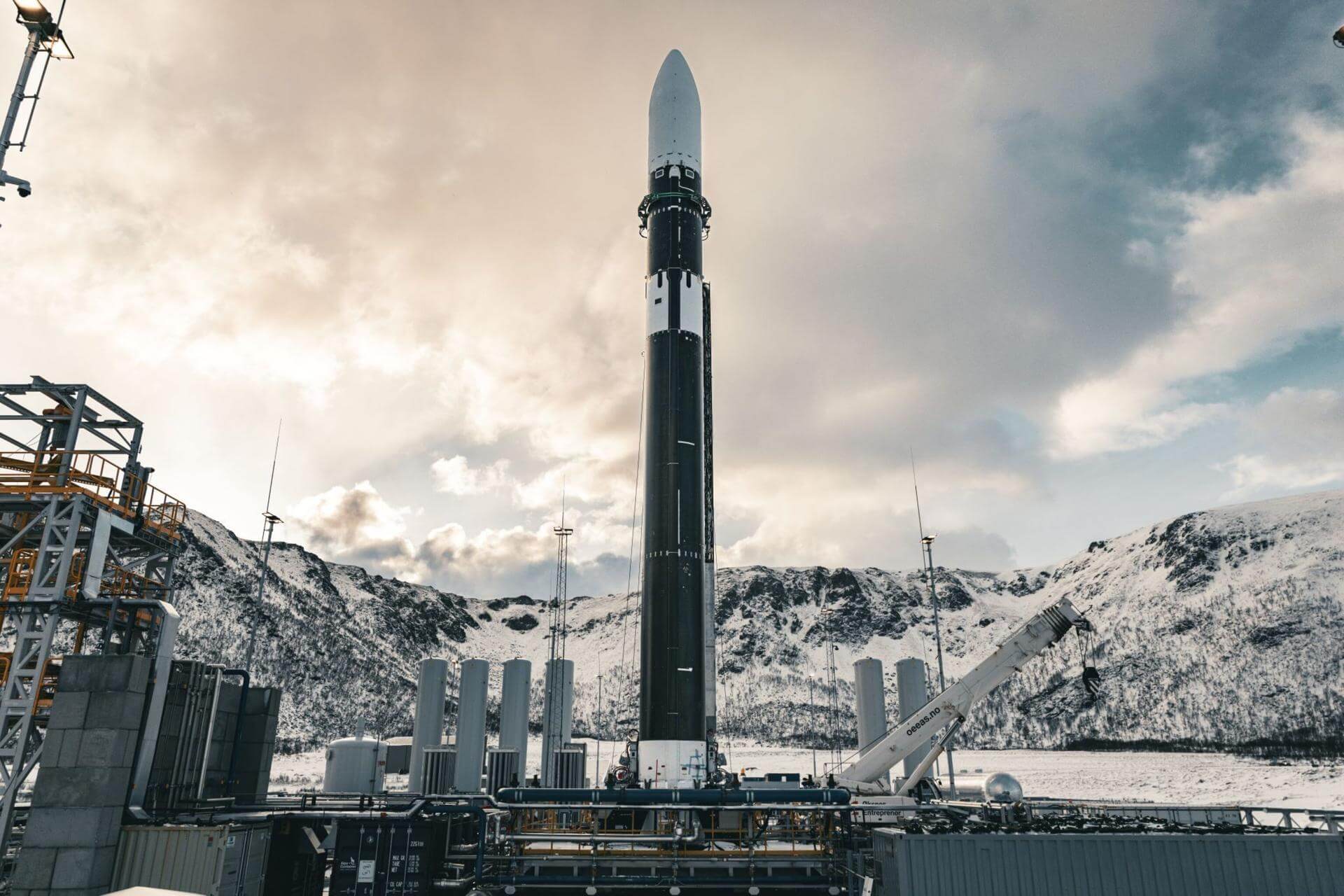
Spectrum | Onward and Upward
Isar Aerospace • To Be Determined
8/6/2026, 12:00:00 AM
Orbital Launch Pad — Andøya Spaceport
Second test flight of the Isar Spectrum launch vehicle. This launch will carry 5 cubesats and 1 non-separable experiment as part of European Space Agency (ESA)'s “Boost!” program: * CyBEEsat (TU Berlin) * TriSat-S (University of Maribor) * Platform 6 (EnduroSat) * FramSat-1 (NTNU) * SpaceTeamSat1 (TU Wien Space Team) * Let It Go (Dcubed, non-separable experiment)
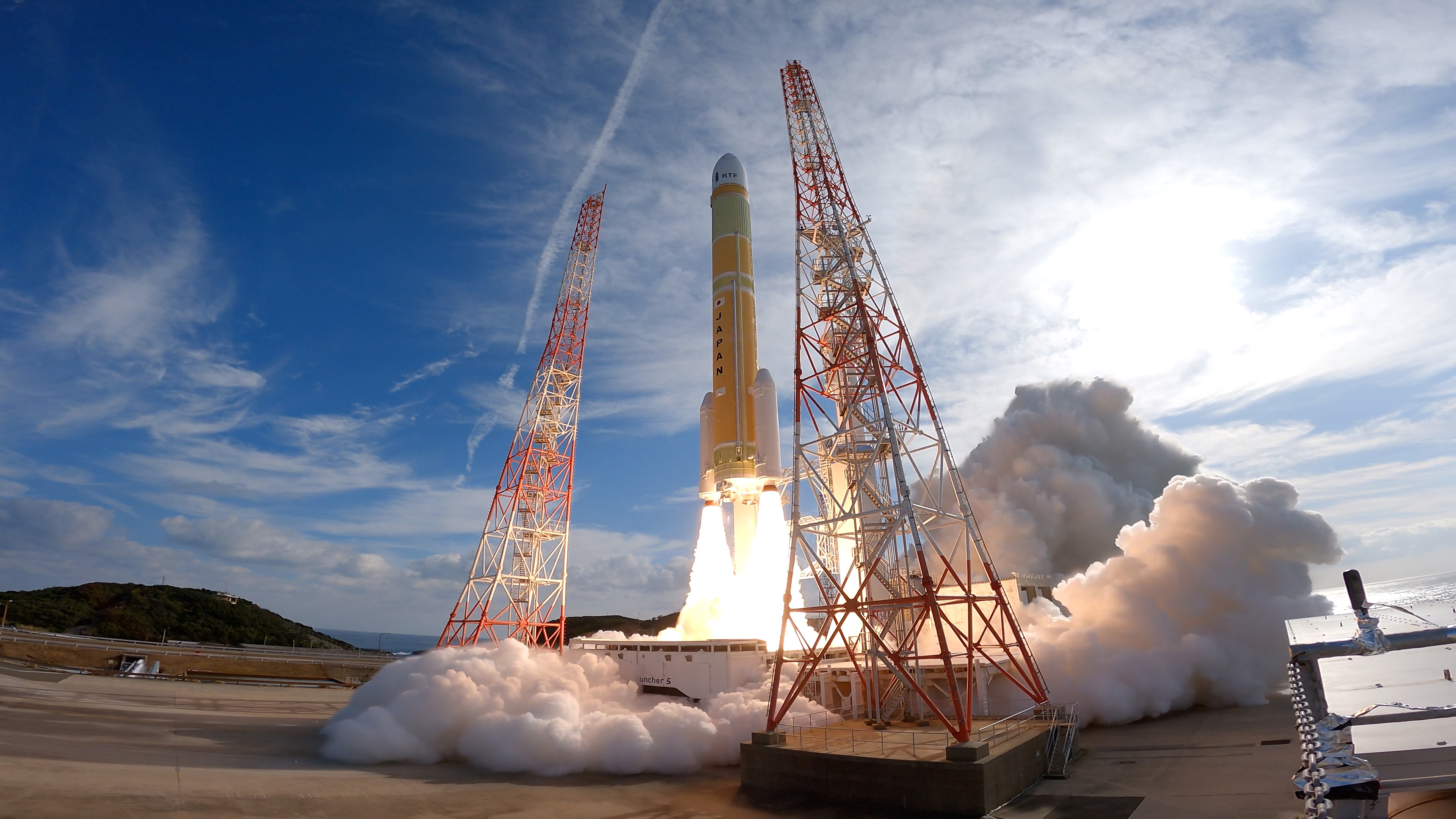
H3-22 | Michibiki 7 (QZS-7)
Mitsubishi Heavy Industries • Go for Launch
8/6/2026, 7:30:00 PM
Yoshinobu Launch Complex LP-2 — Tanegashima Space Center, Japan
QZSS (Quasi Zenith Satellite System) is a Japanese satellite navigation system operating from inclined, elliptical geosynchronous orbits to achieve optimal high-elevation visibility in urban canyons and mountainous areas. The navigation system objective is to broadcast GPS-interoperable and augmentation signals as well as original Japanese (QZSS) signals from a three-spacecraft constellation. The navigation system objective is to broadcast GPS-interoperable and augmentation signals as well as original Japanese (QZSS) signals from a three-spacecraft constellation in inclined, elliptical geosynchronous orbits.
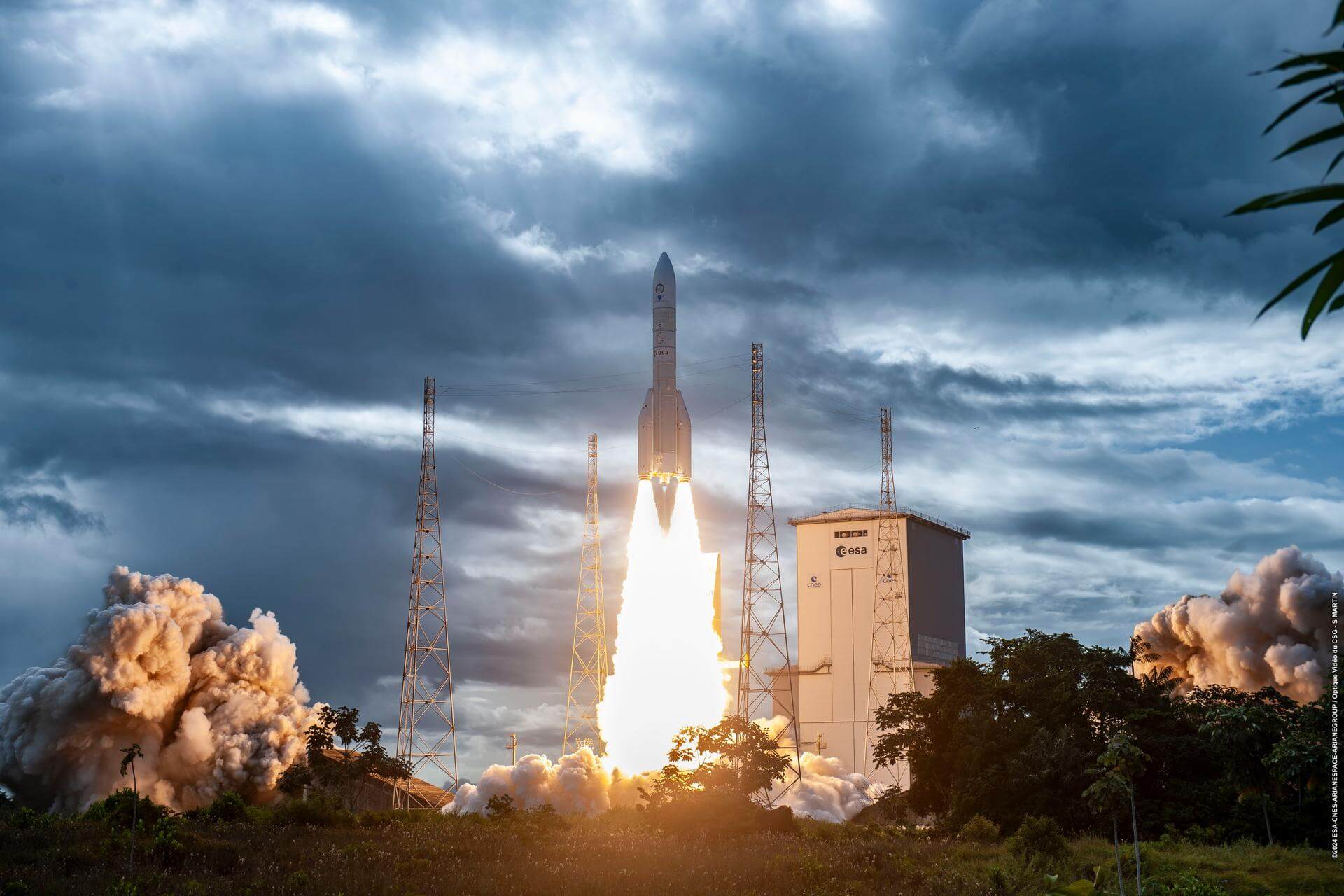
Ariane 62 | MTG-I2
Arianespace • To Be Determined
8/27/2026, 12:00:00 AM
Ariane Launch Area 4 — Guiana Space Centre, French Guiana
Third of EUMETSAT's third generation of weather satellite.
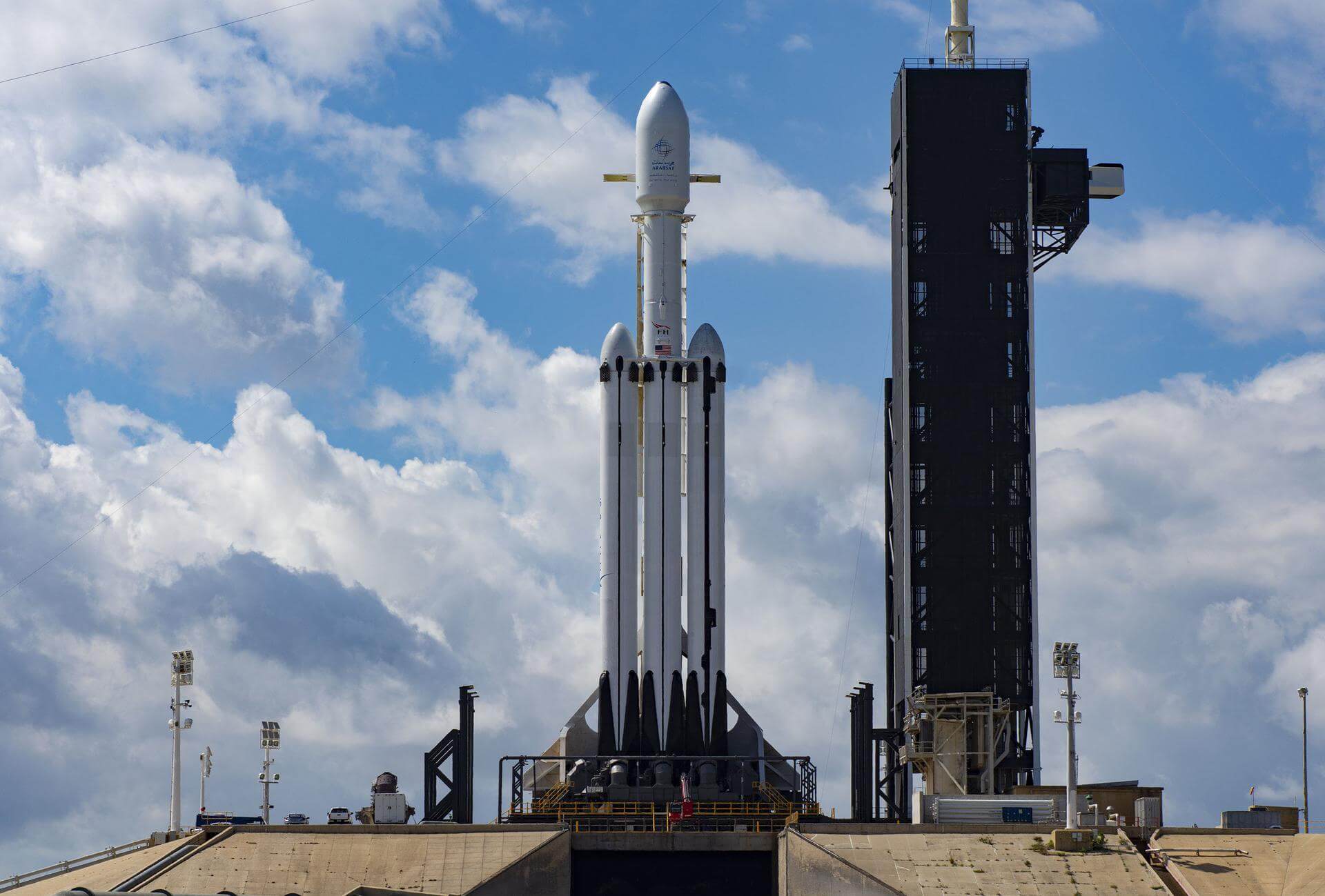
Falcon Heavy | Nancy Grace Roman Space Telescope
SpaceX • Go for Launch
8/30/2026, 11:20:00 AM
Launch Complex 39A — Kennedy Space Center, FL, USA
The Nancy Grace Roman Space Telescope is a NASA infrared space telescope with a 2.4 m (7.9 ft) wide field of view primary mirror and two scientific instruments. The Wide-Field Instrument (WFI) is a 300.8-megapixel multi-band visible and near-infrared camera, providing a sharpness of images comparable to that achieved by the Hubble Space Telescope over a 0.28 square degree field of view, 100 times larger than imaging cameras on the Hubble. The Coronagraphic Instrument (CGI) is a high-contrast, small field of view camera and spectrometer covering visible and near-infrared wavelengths using novel starlight-suppression technology. Roman objectives include a search for extra-solar planets using gravitational microlensing, and probing the expansion history of the Universe and the growth of cosmic structure, with the goal of measuring the effects of dark energy, the consistency of general relativity, and the curvature of spacetime.
Data Source
Launch data provided by The Space Devs Launch Library 2 API.