🚀 Live Rocket Launch Schedule 2026
Track upcoming missions from SpaceX, NASA, Rocket Lab and more. Updated every hour with real-time countdowns.
Next Mission Insight (GEO Summary)

Falcon 9 Block 5 | Starlink Group 17-39
A batch of 24 satellites for the Starlink mega-constellation - SpaceX's project for space-based Internet communication system.
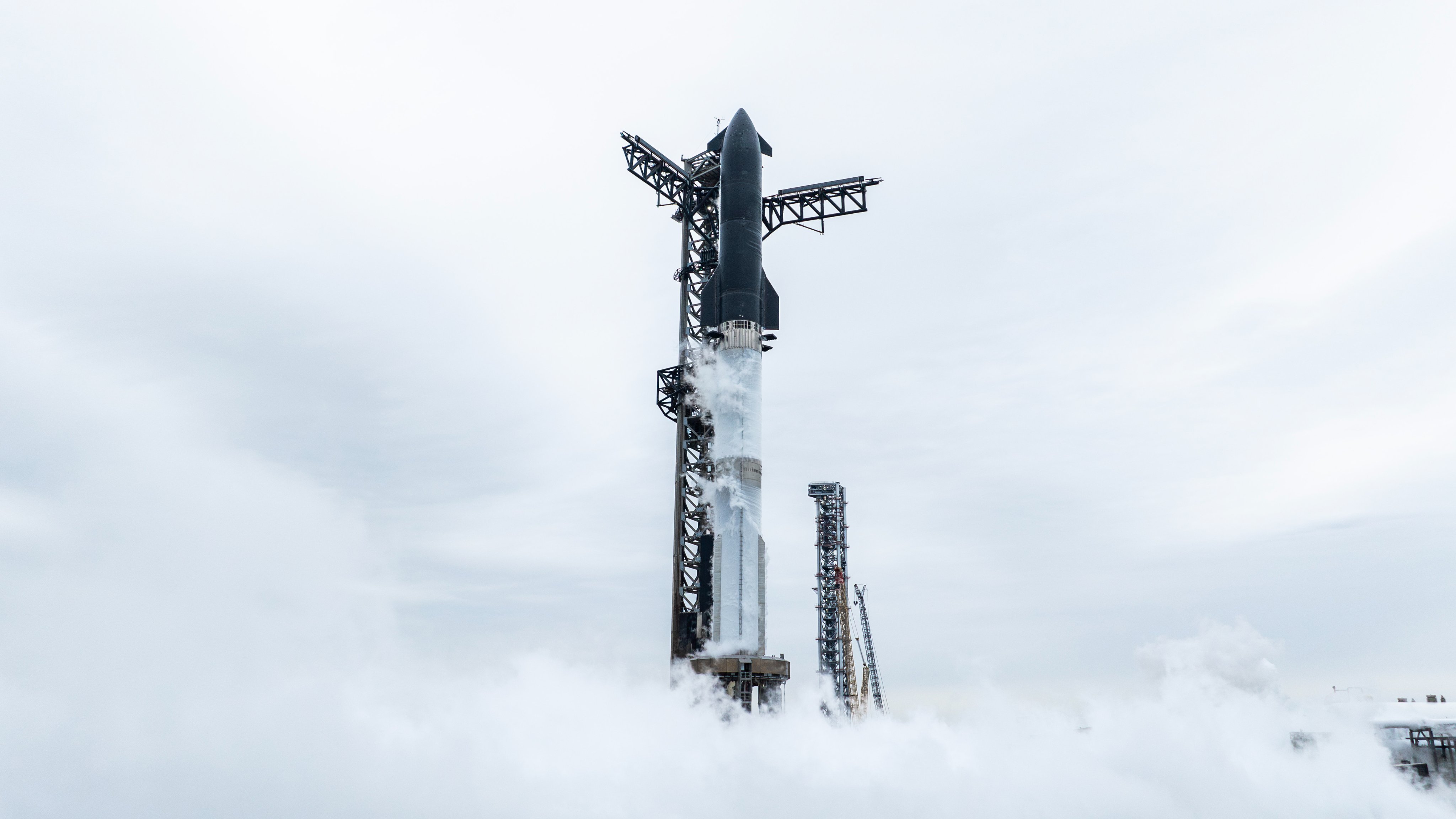
Starship | Flight 13
SpaceX Starbase, TX, USA
13th test flight of the two-stage Starship launch vehicle. Second flight of Starship V3. For the first time, Starship will carry 20 V3 Starlink satellites to space, which will extend solar arrays and antennas and will attempt to connect with ground stations in South Africa and the larger Starlink constellation via high-capacity lasers. 6 of the satellites have been modified with a suite of cameras to scan Starship’s heat shield and transmit imagery down to operators to continue testing methods of analyzing Starship’s heat shield readiness for return to launch site on future missions. Several tiles on Starship have been painted white to simulate missing tiles and serve as imaging targets in the test.
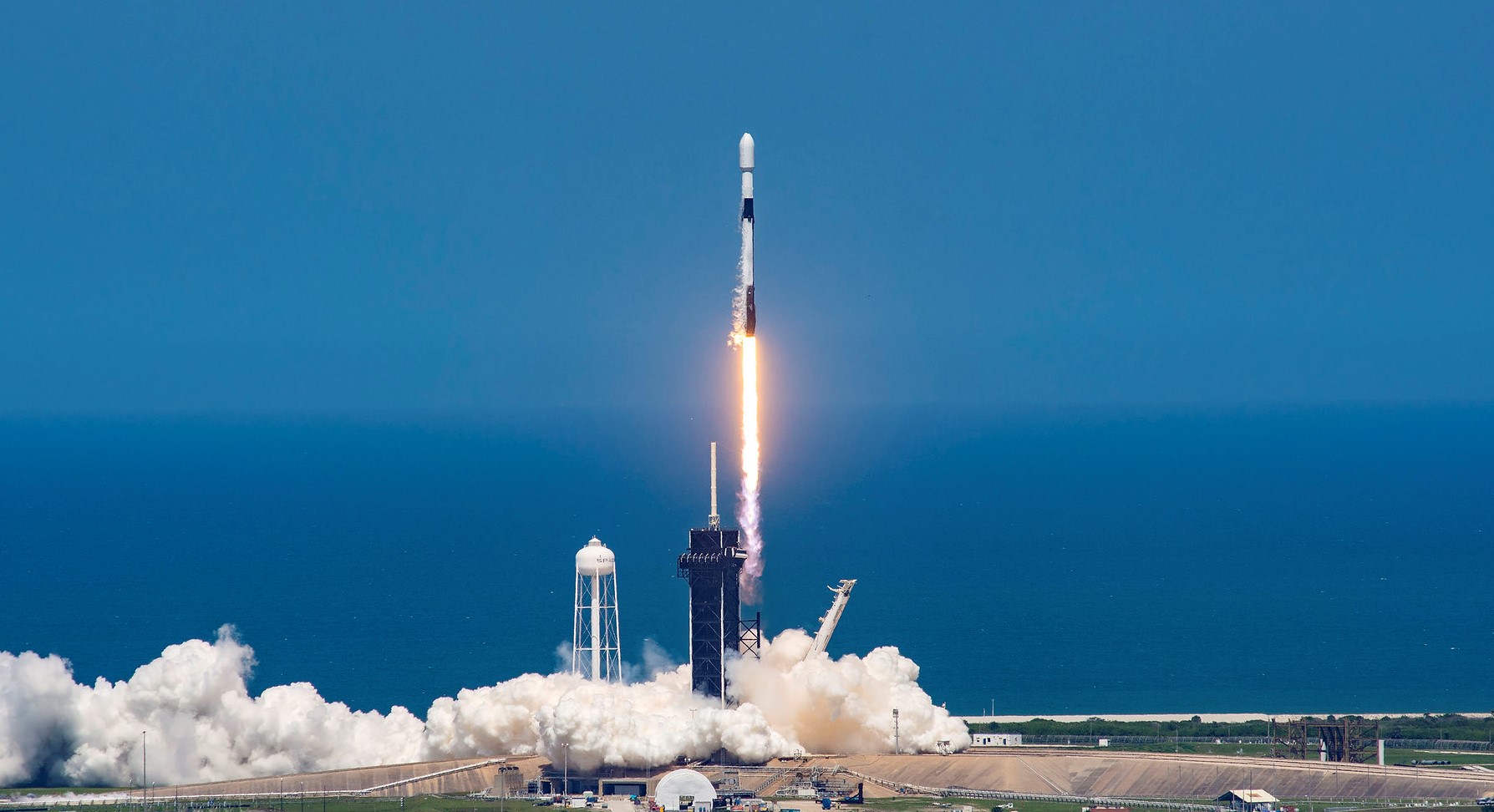
Falcon 9 Block 5 | MRV-1
Cape Canaveral SFS, FL, USA
The Northrop Grumman/SpaceLogistics MRV-1 is a mission extension payload including a mission robotic vehicle (MRV) and multiple mission extension pods (MEPs). The MRV is designed to attach up to 30 MEPs (Mission Extension Pods) to various satellites in GEO over the course of its life, and the MEPs (Mission Extension Pods) are 400 kg spacecraft designed to be captured by the MRV and then attached to a customer's satellite. A single MEP can extend a 2000 kg satellite's service life by up to 6 years. For this mission, 2 of the MEP's will service satellites for Intelsat, while the third will service a satellite for Optus.
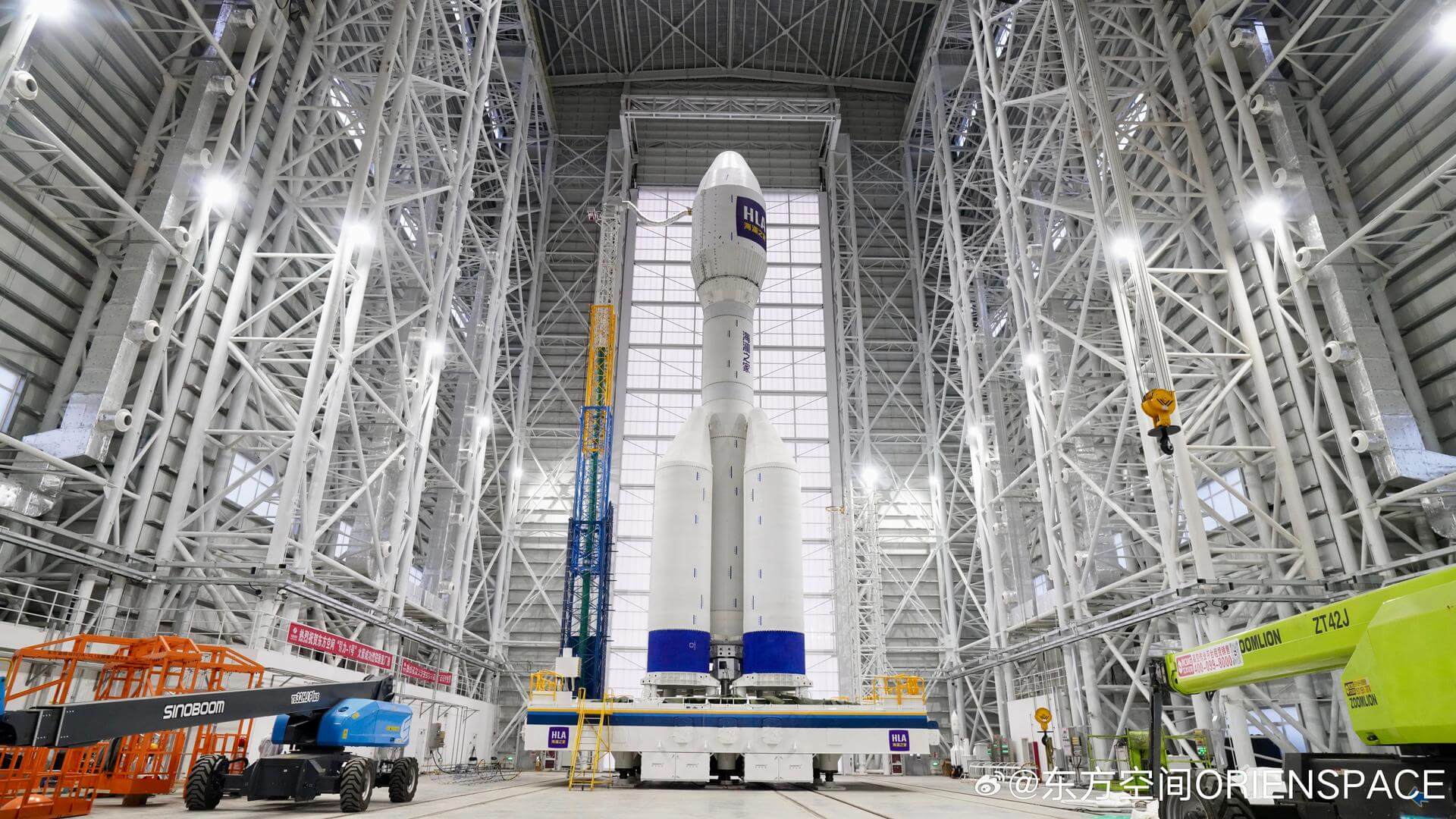
Gravity-1 | Unknown Payload
Haiyang Oriental Spaceport
Details TBD.
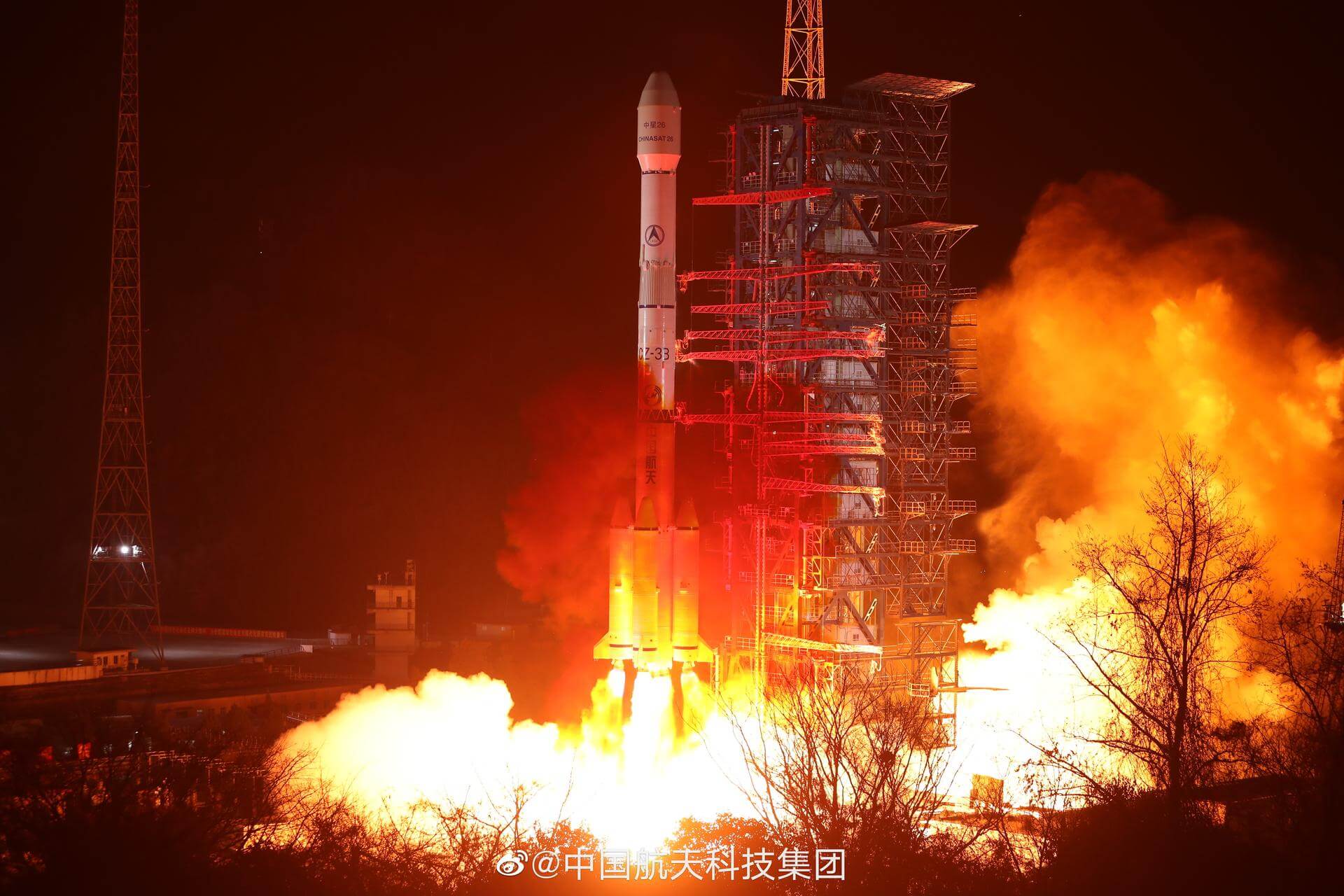
Long March 3B/E | Unknown Payload
Xichang Satellite Launch Center, People's Republic of China
Details TBD.
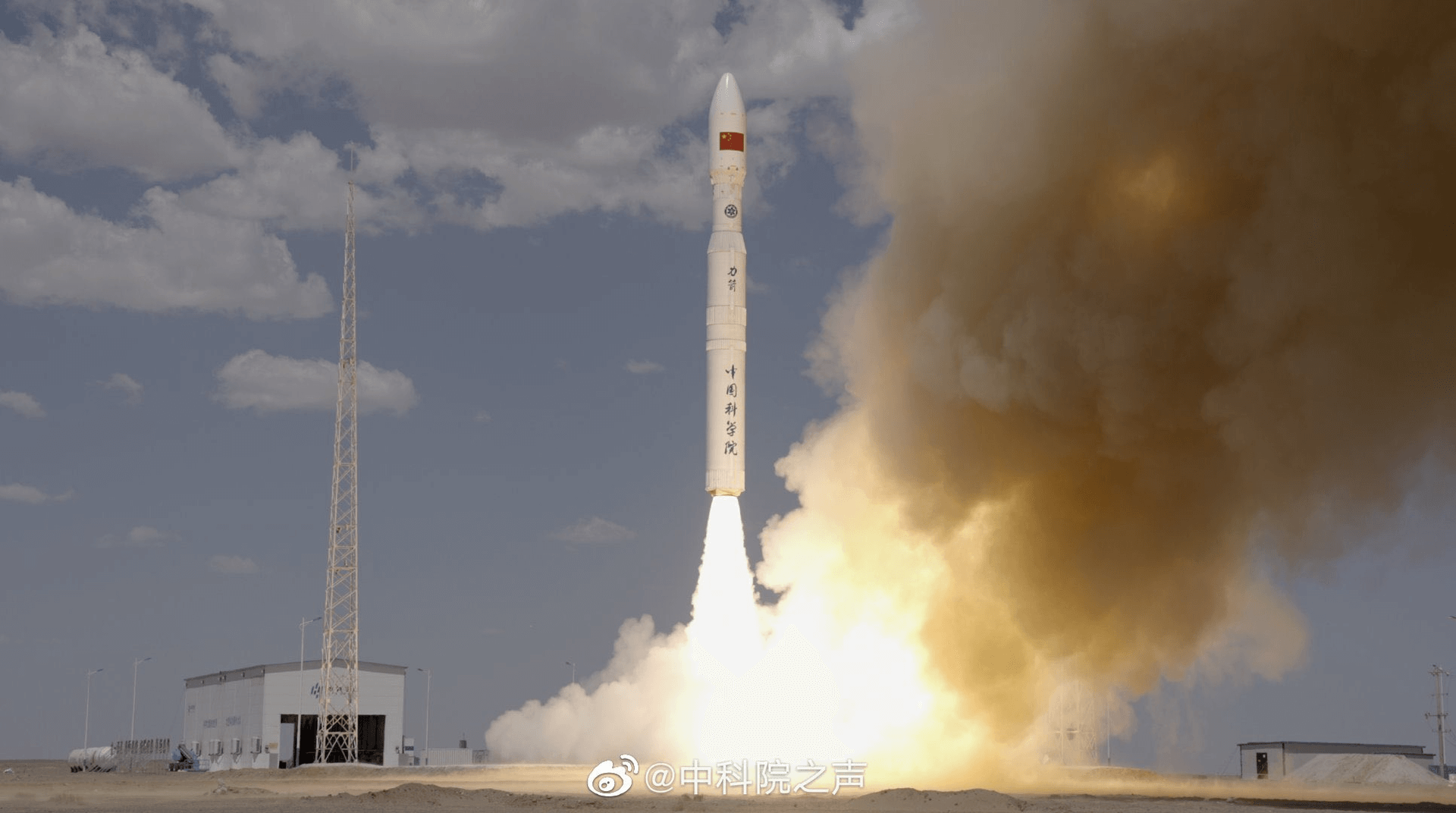
Kinetica 1 | Unknown Payload
Jiuquan Satellite Launch Center, People's Republic of China
Details TBD.
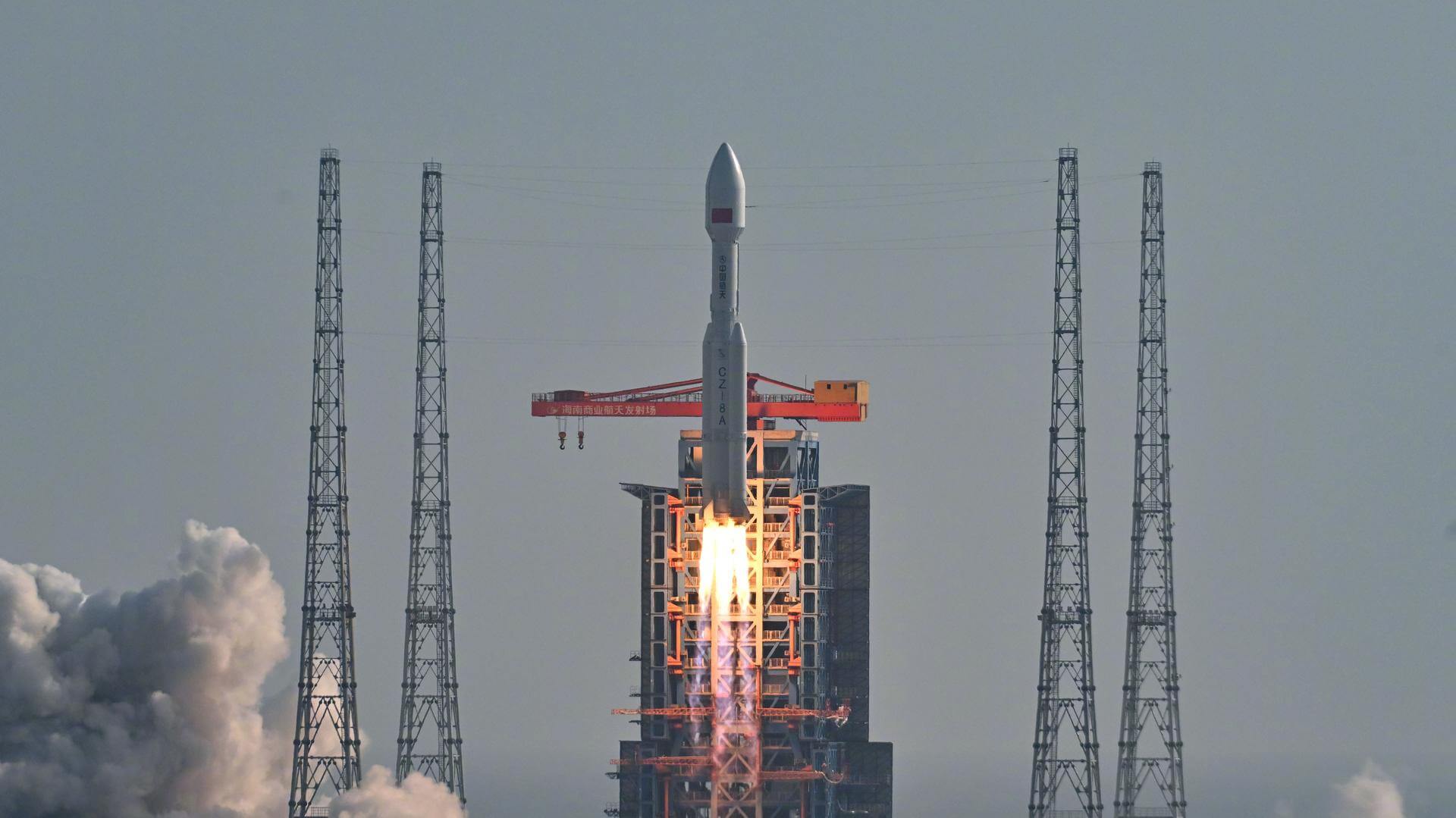
Long March 8A | Unknown Payload
Wenchang Space Launch Site, People's Republic of China
Details TBD.
Falcon 9 Block 5 | Starlink Group 17-51
Vandenberg SFB, CA, USA
A batch of 24 satellites for the Starlink mega-constellation - SpaceX's project for space-based Internet communication system.
Falcon 9 Block 5 | Starlink Group 17-52
Vandenberg SFB, CA, USA
A batch of 24 satellites for the Starlink mega-constellation - SpaceX's project for space-based Internet communication system.
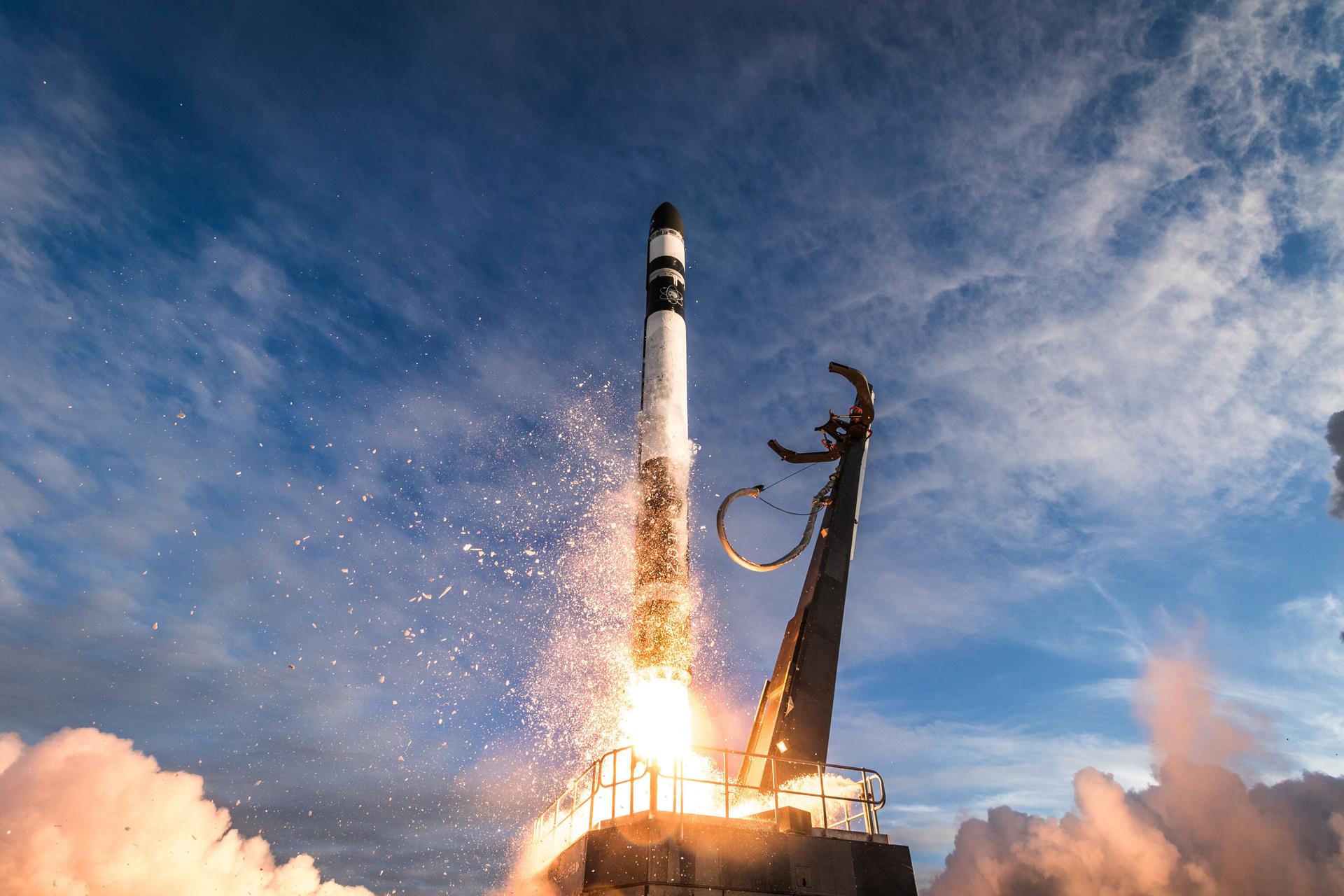
Electron | LOXSAT 1
Rocket Lab Launch Complex 1, Mahia Peninsula, New Zealand
LOXSAT 1 is a demonstration satellite of a complete cryogenic oxygen fluid management system in orbit, developed by Eta Space and sponsored by NASA's Tipping Point program. The system will be integrated on a Rocket Lab Photon-LEO satellite bus and collect critical cryogenic fluid management data in orbit for 9 months, demonstrating capabilities of in-space cryogenic storage and transferal. Eta Space plans to use technology developed for this mission to develop a truly commercial depot intended to serve multiple customers in the future.